In the global food industry, trust is currency. Buyers across borders cannot visit your farms, inspect your factories, or watch your production process. They rely on signals—tiny, powerful psychological cues—to decide whether your company is reliable, professional and worth doing business with. Among these cues, packaging design is one of the most influential. So, creating trust of foreign buyers is a critical issue.
At Sobhan Food, as an import-export company working with international partners, we understand a fundamental truth:
Foreign buyers judge your business before they ever judge your product. And packaging is their first window into your brand.
In this article, we explore how packaging design influences the psychology of trust, why it matters in global markets, and actionable tips to design export-ready packaging that attracts more buyers and elevates your brand’s perceived value.
1. Why Packaging Matters More in International Trade and make trust of foreign buyers
When selling locally, buyers may already know your name, your reputation, or your distribution network. But in global markets, especially when entering new countries, you are a stranger. Buyers must evaluate the following questions instantly:
-
Is this company professional?
-
Is this product safe and high-quality?
-
Will this brand protect my reputation if I import it?
-
Can this supplier be trusted long-term?
Research in cognitive psychology shows that when people lack information, they rely on heuristics—fast, intuitive shortcuts—to make decisions. Packaging acts as one of the strongest heuristics in international purchasing.
In other words:
Good packaging reduces uncertainty. Poor packaging increases risk.
This is why global buyers often make decisions in seconds.
2. The Psychology Behind Packaging and Trust
A. Cognitive Fluency: Ease of Understanding Creates Confidence
Cognitive fluency refers to how easily the brain processes information. When packaging is clean, simple, structured, and readable, foreign buyers feel:
-
safer
-
more confident
-
more willing to buy
On the other hand, cluttered design, unclear labeling, or confusing translations create cognitive friction, triggering doubt—even if the product quality is excellent.
B. Priming: The First Visual Stimulus Shapes All Later Judgments
The first glance at packaging activates priming, a psychological mechanism where the initial impression influences all future impressions.
If your packaging looks premium, buyers will assume your product is premium.
If your packaging looks outdated, they will subconsciously assume your business systems are outdated too.
This is why packaging must immediately communicate:
-
freshness
-
hygiene
-
professionalism
-
high value
C. Trust Cues: Visual Signals That Make Buyers Feel Safe
Certain visual elements act as direct trust triggers:
-
Clear expiration date
-
Country of origin
-
Certifications
-
QR codes
-
Transparent product windows
-
Quality seals
-
HACCP/ISO marks
-
Barcodes
-
Traceability indicators
These are known as “trust cues” in consumer psychology—they reduce fear and increase willingness to purchase.
D. Cultural Compatibility: Respecting Cultural Expectations
Every culture interprets colors, shapes and symbols differently.
For example:
-
Green suggests “organic” or “healthy” in many countries.
-
Red attracts attention in Asian markets but can feel “warning-like” in others.
-
Minimalist packaging is valued in European markets for its “modern” feel.
-
Middle Eastern markets often prefer more traditional or luxurious designs.
Designing with cultural psychology increases cross-cultural trust, a key factor in export success.
E. Social Proof Psychology
“Social proof” means people trust what others already trust.
Packaging that shows:
-
awards
-
certifications
-
customer reviews
-
“top seller” labels
-
trade fair recognitions
-
partnership logos
-
sustainability badges
…automatically increases perceived credibility. Social proof is particularly powerful for foreign buyers who cannot verify your company directly.
3. How Packaging Influences Buyer Perception in International Markets
1. It signals professionalism
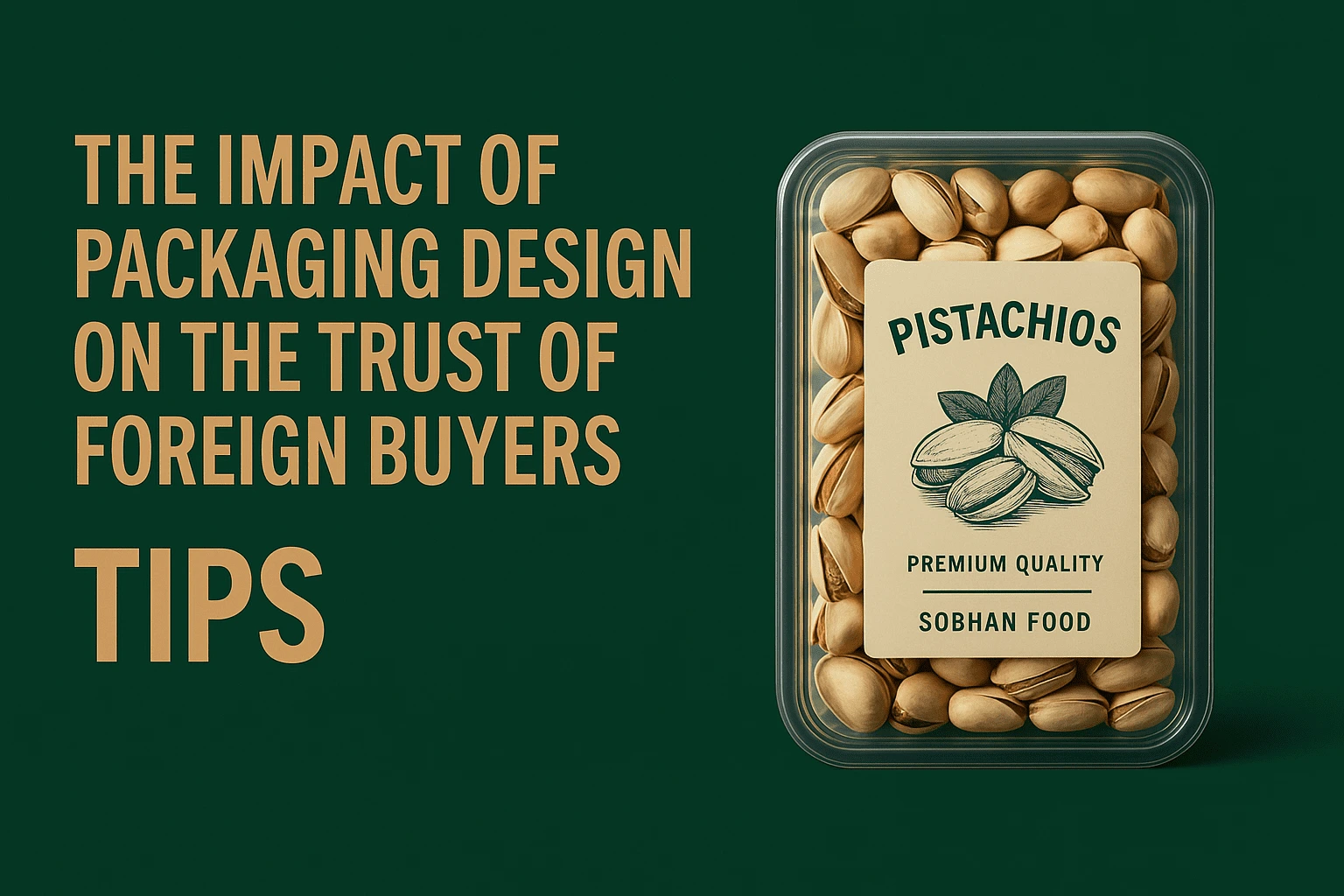
When a foreign buyer opens a shipment or reviews product samples, packaging acts as a silent salesperson.
High-quality packaging says:
-
“We care about detail.”
-
“We invest in quality.”
-
“We are export-ready.”
This reduces perceived risk—an essential factor in B2B trade.
2. It communicates brand stability
Strong brands are associated with strong packaging. Buyers feel safer working with suppliers who appear stable, structured and committed to quality.
3. It increases perceived product value (price psychology)
Premium packaging allows exporters to charge:
-
higher prices
-
better margins
-
larger minimum order quantities
Studies show that buyers willingly pay up to 40% more for products in premium packaging because the perceived value increases.
4. It reduces complaints and improves buyer satisfaction
Clear instructions, accurate labeling, and durable materials lower the risk of:
-
damaged goods
-
wrong quantities
-
misunderstandings
-
repackaging costs
Satisfied buyers are easier to retain—and retention is far more profitable than acquisition.
5. It helps you stand out in competitive global markets
In international trade, your product is competing against hundreds of others.
Good packaging is your edge.
4. Tips to Design Packaging That Builds Trust With Foreign Buyers
Below are expert tips tailored specially for food exporters and importers like Sobhan Food.
TIP 1: Use Internationally Recognized Certifications
Foreign buyers often rely on official marks more than local ones. Consider adding:
-
ISO 22000
-
HACCP
-
Halal Certification
-
Organic Certification
-
GMP
-
FDA compliance (if applicable)
These certifications act as external validators, strengthening psychological trust.
TIP 2: Prioritize Clean, Minimalist Layouts
Simplify information with:
-
clear headings
-
bullet points
-
QR codes
-
icons
-
straightforward labeling
This enhances cognitive fluency, making your product feel safer and more credible.
TIP 3: Ensure High-Quality Translation
Nothing kills trust faster in export packaging than:
-
spelling mistakes
-
awkward grammar
-
poorly translated descriptions
Always use certified translation or native-language proofreaders.
This reduces misunderstandings and increases buyer confidence.
TIP 4: Choose Colors Strategically (Color Psychology)
For example:
-
Blue: safety, trust, authority
-
Green: natural, organic, environmentally friendly
-
Gold/Black: premium, luxury
-
White: purity, hygiene
-
Red: appetite-stimulating, strong attention
Align color choice with your target market’s expectations.
TIP 5: Use High-Resolution Images and Consistent Branding
Low-quality images create subconscious doubts.
High-resolution, professional photos enhance:
-
perceived freshness
-
brand strength
-
export readiness
Consistency in fonts, colors, and layout builds brand memory, a strong psychological anchor.
TIP 6: Add Storytelling Elements
Foreign buyers love authenticity.
Use psychological storytelling to connect emotionally:
-
Where the product comes from
-
Your company history
-
Your passion for quality
-
Sustainability practices
-
Local traditions
Storytelling activates emotional trust pathways, making buyers feel connected to your brand.
TIP 7: Include Traceability Features
Modern buyers appreciate transparency and trackability.
Add:
-
QR codes
-
batch numbers
-
factory identification
-
harvesting dates
These increase perceived safety, which is critical in food exports.
TIP 8: Focus on Durability and Protection
Well-structured packaging reduces:
-
damage
-
leakage
-
spoilage
-
rejection risks at customs
Durable packaging communicates operational reliability—a major trust factor.
TIP 9: Tailor Packaging for Each Export Market
Avoid a “one-size-fits-all” approach.
Consider:
-
language requirements
-
cultural preferences
-
labeling laws
-
shelf standards
-
consumer habits
Localized packaging dramatically boosts trust.
TIP 10: Demonstrate Quality With Visual Trust Symbols
Incorporate:
-
seals
-
badges
-
gold foil
-
embossed elements
-
quality guarantees
-
anti-counterfeit tags
These visual “trust anchors” increase credibility instantly.
5. The Business Impact: How Packaging Boosts Export Success
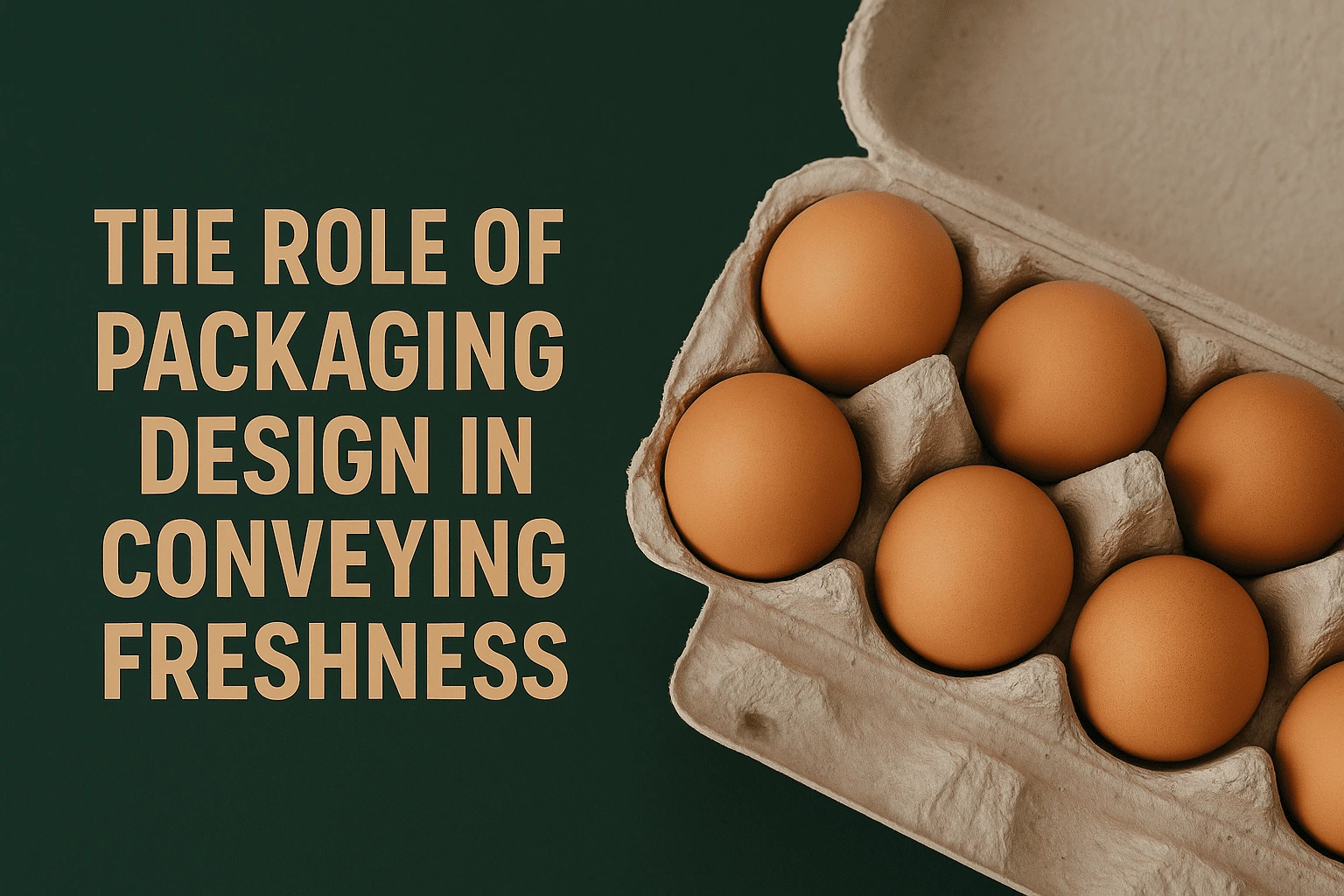
Investing in professional export packaging leads to:
A. Higher contract success rates
Buyers prefer suppliers with strong, clean, export-ready packaging.
B. Repeat orders
Psychology tells us that consistency increases loyalty.
C. Ability to expand into premium markets
Europe, Japan, and Gulf countries expect high standards.
D. Stronger brand identity internationally
Attractive packaging makes your brand memorable and trustworthy.
E. Competitive advantage in crowded markets
Better packaging = More attention = More sales.
Conclusion: Packaging Is Not Just Design—It Is a Psychological Trust Tool
In global trade, packaging is your handshake, your business card, and your reputation, all delivered in a single moment.
It tells foreign buyers who you are before you ever speak to them.
At Sobhan Food, we believe that combining high-quality products with scientifically informed packaging design is the key to building long-term international partnerships.
Source: International Journal of Business and Management Invention